How do you build the next generation of readers?
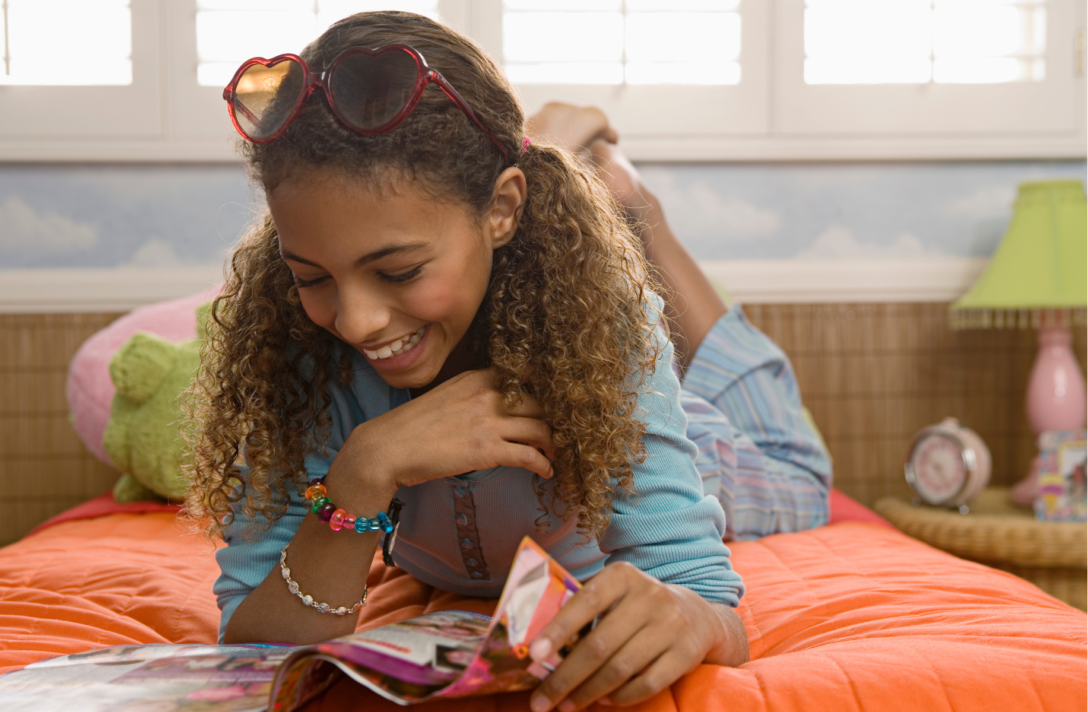
Lulu Skantze, Chair of FIPP’s Initiative for Kids Trusted Media and Founder of Storytime magazine, on why nurturing tomorrow’s audience is a job for the whole media industry.
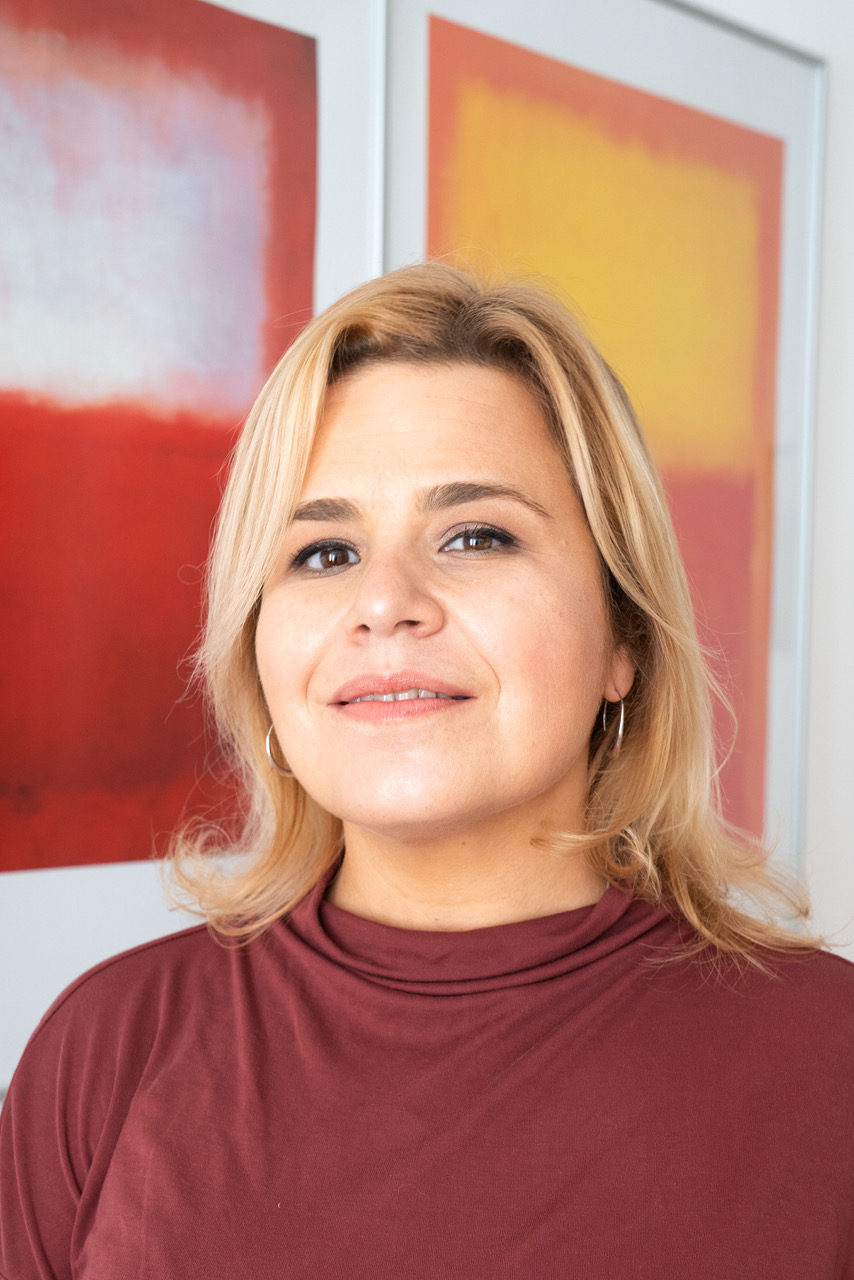
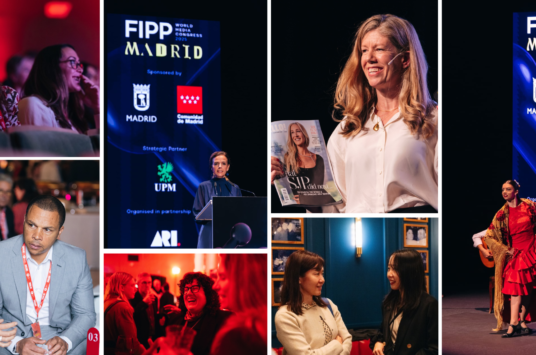
Lulu Skantze will speak at the FIPP World Media Congress, 13-15 October, Madrid, Spain
What does “trust” mean specifically in kids’ media?
For me, trust starts with intention. Parents, carers and teachers want to know that profit isn’t the main reason a product exists. They want to trust that it was made for positive entertainment, with care, with the right checks in mind, by someone who’s actually done the due diligence. They already do that with so many other products, mostly, so finding someone that they can trust with information can be a relief – and that’s also what brings loyalty and long-term customers to a brand.
Childhood is a vulnerable space. Children don’t have the filters adults have, so the care in what gets introduced to them has to come from the adults in charge, and the filters and procedures are our job, not theirs. That’s why the “gatekeepers” hold creators to the same high standard they hold themselves to, I suppose. They have to trust that the people making this content have the right intentions too. We also need to be aligned in values, so clarity on that builds trust as well.
How do you know when you’re building real trust in this space?
They ask for more. Our first sign was when parents asked if we had magazines for different age groups – wanting us to grow up alongside their child, rather than being outgrown ourselves. And of course, renewal is the classic one: being part of a family’s whole childhood years is a reliable sign that you’re trusted.
What’s an example of a decision that’s helped shift focus from selling magazines to building audience?
Working beyond B2C, with schools and with NGOs and literacy partners around the world. There are so many great organisations doing brilliant work in giving children access to reading materials, to play content, to the things that actually build an audience of young readers. Once we connected with them, using content and magazines as our vehicle, we realised selling magazines was only ever a small part of what we did.
Understanding childhood, and all the spaces it happens in, made us think differently about our role. We think less about supplying nowadays and more about belonging. It added an extra layer to how we create content because we think about how we fit in.
What’s the biggest challenge in building commercially sustainable kids’ content right now?
As we’ve seen with social media, it’s much easier to profit when you don’t have any regulations and you don’t care as much about doing the right thing. So of course it’s challenging to do the right thing for kids, follow the rules, and still be commercially viable.
But here’s what’s true of media generally, and children’s media especially: we need to be available in many formats and in many spaces. Sustainability comes from multiple revenue streams and multiple ways for your audience to access your content – and oh my, there are so many ways now that you simply cannot get there with a magazine alone. You have to think multimodal, and think creatively about how you show up.
How do parents’ and regulators’ expectations line up with what actually works for kids?
I don’t think they line up too well, even at the level of aesthetics – and that’s been true for some time. However, I think the main problem is our lack of patience with kids’ timing. We don’t give them enough time to discover things, to figure out what they like. We don’t let them have agency, the freedom to pick different things. We either try to impose, or we take things away too quickly if there isn’t an immediate reaction.
Childhood needs time, variety and freedom to engage – and those are exactly the things current expectations haven’t caught up to.
What’s next for trusted media in kids’ content?
I think the big first step is working out the Gold Standards, which I think of almost as a gift to readers, big and small. Parents and regulators will be glad to hear it exists, and glad that we’re all engaged in creating something that makes it easier for them to know they can trust us.
They rarely have time to check everything they bring into their kids’ lives. If we can take that burden away and simply say “you can trust us”, I believe that will make a real difference.
What are you hoping FIPP’s audience will take away from your session at Congress?
The urgency of creating children’s media and supporting it, as well as the importance of the work Kids Trusted Media is aiming to do for the industry. I’d love for every media company to realise that young readers matter to them because they will be their readers.
And an extra hope is for everyone to find ways they can contribute, support, or even lend a hand, so kids’ media doesn’t lose space in the media ecosystem.
And if they are in it already, don’t drop it at the first hurdle. Instead, think long term, as a whole: what are we actually working towards?
FIPP101 is about returning to fundamentals – what do you think should be our focus in the immediate future?
Can I say, first, that I love the theme, and the fundamentals are all things constantly on my mind as a creator. But of course, audience remains a number one focus for us. The relationship, and who we’re serving, should never ever go out of focus – and more so if you are growing with your audience. The relationship is what makes us special in what we do. We create and curate great content to serve them and to inform and entertain. It’s rare; not many industries do that so well as magazines do.
But trust and storytelling is equally high on the agenda for me. There’s no question that it’s the fundamental that matters most in children’s media right now, so we ought to own up to it. For both, we have a lot of work to do, though, to regain the trust and reconnect with our audience.